Weekly meal planning for a busy family, in five minutes
Plan five dinners, not seven. Two evenings a week will go sideways anyway: leftovers, a birthday party, someone home late. A five-dinner plan survives contact with real family life, and it takes about five minutes on a Sunday once your recipes live in one place.
The five minutes buys back the daily 5pm negotiation about what's for dinner, roughly half an hour of decision-making a week, plus one supermarket trip instead of three.
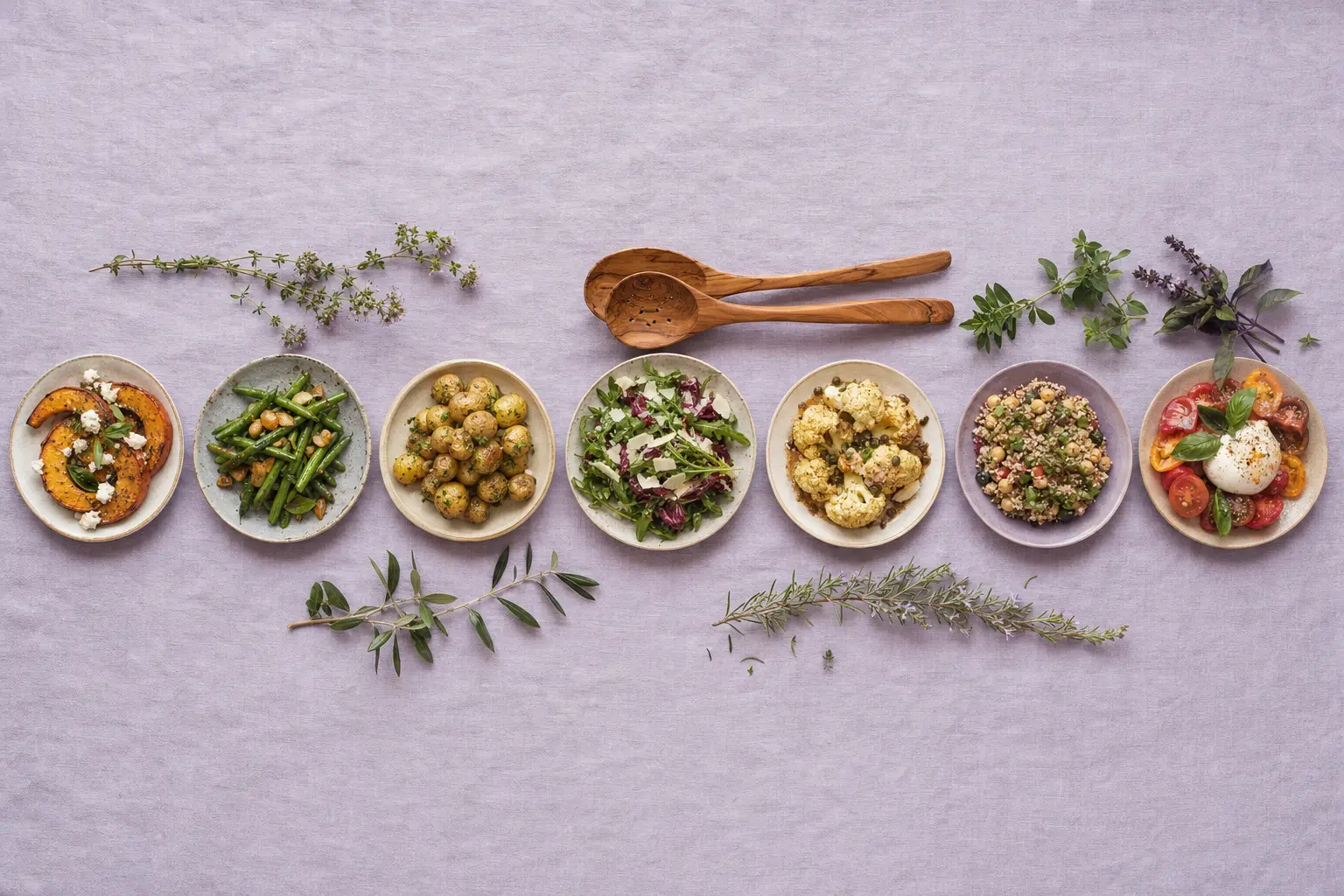
Plan a week of family meals
- 1
Pick five dinners
Choose from your saved recipes: two familiar, two easy, one new. Leave two nights unplanned for leftovers and life.
- 2
Drag them onto the week
Match meals to the calendar: quickest dinner on club night, the slow roast on Sunday. Breakfast and lunch slots are there if you want them.
- 3
Generate the shopping list
Approve the plan and every ingredient lands on the grocery list, categorized by aisle and deduplicated against what's already there.
- 4
Shop once
One trip covers the week. Midweek additions go on the shared list and whoever passes a shop picks them up.
Build a recipe book you'll actually reuse
Meal planning is only fast when choosing is fast, and choosing is fast when your twenty household staples are saved with ingredients attached. In Famora you can import a recipe from a link, photograph one out of a cookbook, or type it from scratch; either way it's yours to remix, and its ingredients are already categorized for the list.
A practical target: fifteen to twenty saved dinners. That's enough for three weeks without repeating, which is as much variety as most families genuinely want.
Plan against the calendar, not in a vacuum
The plan that fails is the ambitious one: a forty-minute recipe on the evening two kids have clubs. Because the meal grid and the family calendar live in the same app, Wednesday's plan sits next to Wednesday's reality. Swimming till six means it's a fifteen-minute pasta night, and you can see that while planning, not at 5:45.
Assign cooks the same way you assign events. "Thursday: tacos, Austine" settles who's cooking before the week starts.

Let the plan write the shopping list
Copying ingredients to a list by hand is the step where meal planning routines die. Automate it: approve the week and Famora builds the grocery list from the plan, merged with whatever was already on it, sorted by aisle, minus what the pantry already holds.
The compound effect is real. Households that shop from a plan spend less on impulse buys and throw away less food, because everything bought has an assigned meal waiting for it.
Common questions
- How far ahead should a family meal plan go?
- One week. Two-week plans collide with reality too often, and daily planning re-imports the 5pm scramble. A weekly rhythm matches the shop and survives schedule changes.
- How do we handle picky eaters without cooking twice?
- Plan around a shared base with one variable part: pasta where the sauce splits, tacos where fillings differ, roast where the vegetables vary. Keep the reliable favorites in the rotation so at least two dinners a week need zero negotiation.